Are you tired of living paycheck to paycheck? Effective financial planning can be the key to breaking this cycle.
Managing your finances is crucial for achieving financial stability and security. By creating a personalized budget, you can take control of your financial future.
Understanding the basics of financial planning is essential for making informed decisions about your money.
Key Takeaways
- Create a personalized budget to manage your finances effectively
- Understand the importance of financial planning for long-term stability
- Identify areas for cost-cutting and savings
- Develop a strategy for achieving financial goals
- Review and adjust your budget regularly
Understanding the Basics of Personal Finance
To achieve financial stability, it’s crucial to grasp the basics of personal finance. Personal finance encompasses various aspects of managing your money, including budgeting, saving, and investing. Understanding these elements is key to making informed decisions about your financial resources.
Why Budgeting Matters for Financial Health
Budgeting is the cornerstone of financial health. It allows you to track your income and expenses, ensuring that you’re living within your means. A well-crafted budget helps you prioritize your spending, save for the future, and avoid debt. By understanding where your money is going, you can make adjustments to achieve your financial goals.
Effective budgeting also reduces financial stress by providing a clear picture of your financial situation. It enables you to plan for large purchases, retirement, and unexpected expenses. Moreover, budgeting helps you develop healthy financial habits, such as regular saving and investing.
Common Financial Terms You Should Know
Familiarizing yourself with common financial terms is essential for navigating the world of personal finance. Terms like assets, liabilities, and equity are fundamental to understanding your financial standing. Assets refer to what you own, liabilities are what you owe, and equity is the difference between the two.
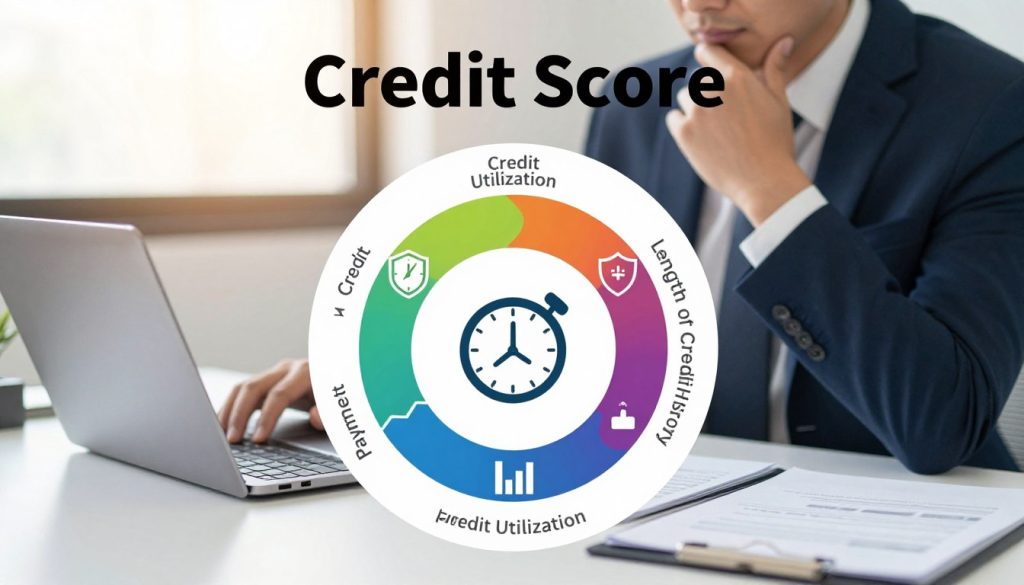
Other important terms include credit score, which reflects your creditworthiness, and compound interest, which can significantly impact your savings and debt. Understanding these concepts will empower you to make informed financial decisions.
- Assets: What you own, such as cash, investments, and property.
- Liabilities: What you owe, including debts and loans.
- Equity: The value of your assets minus your liabilities.
- Credit Score: A number representing your creditworthiness.
- Compound Interest: Interest calculated on the initial principal and also on the accumulated interest.
Essential Budgeting Tips for Beginners
Embarking on a budgeting journey requires some foundational knowledge, and we’re here to guide you through it. Budgeting is not just about cutting expenses; it’s about understanding your financial situation and making informed decisions. To start, you’ll need to grasp a few key concepts and practices that will set you up for success.

Calculate Your Total Monthly Income
The first step in creating a budget is to calculate your total monthly income. This includes not just your salary, but any other sources of income you might have, such as freelance work, dividends, or rental income. To simplify this process, you can use the following table as a guide:
| Income Source | Monthly Amount |
|---|---|
| Salary | $4,000 |
| Freelance Work | $500 |
| Dividends | $100 |
| Total Income | $4,600 |
Track All Your Expenses for 30 Days
For one month, track every single transaction you make. This will give you a clear picture of where your money is going. You can use a notebook, a spreadsheet, or one of the many budgeting apps available. By doing so, you’ll identify areas where you can cut back and allocate funds more efficiently.
Tracking expenses is crucial because it helps you understand your spending habits. You might be surprised at how much you spend on certain categories. For instance, you might find that you’re spending more on dining out than you thought.
Set Realistic Financial Goals
After understanding your income and expenses, it’s time to set some financial goals. These could be short-term, like saving for a vacation, or long-term, like buying a house or retiring early. Make sure your goals are realistic and achievable. For example, if you’re currently spending a lot on dining out, a realistic goal might be to reduce that expense by 20% over the next three months.
By following these essential budgeting tips, you’ll be well on your way to managing your finances effectively. Remember, budgeting is a process, and it might take some time to get it right. But with persistence and the right mindset, you can achieve your financial goals.
Creating Your First Budget Plan
Now that you understand the basics of personal finance, it’s time to create your first budget plan. Creating a budget plan involves several steps and choosing a method that works best for you. In this section, we will explore popular budgeting methods to help you get started.
The 50/30/20 Rule Explained
The 50/30/20 rule is a simple and effective way to budget. It suggests allocating 50% of your income towards necessary expenses like rent and utilities, 30% towards discretionary spending, and 20% towards saving and debt repayment.
This rule is beneficial because it provides a clear guideline on how to distribute your income. However, it may need adjustments based on individual circumstances.
Zero-Based Budgeting Method
Zero-based budgeting involves allocating every dollar of your income towards a specific category, ensuring that your income minus expenses equals zero. This method requires tracking every expense and making adjustments as needed.
It’s a detailed approach that helps in understanding where your money is going and making conscious financial decisions.
Envelope System for Cash Management
The envelope system is a cash-based budgeting method where you divide your expenses into categories and place the corresponding budgeted amount into labeled envelopes. This visual system helps in sticking to your budget and avoiding overspending.
| Budgeting Method | Description | Key Benefit |
|---|---|---|
| 50/30/20 Rule | Allocate 50% to necessary expenses, 30% to discretionary spending, and 20% to savings and debt repayment. | Simple and easy to follow. |
| Zero-Based Budgeting | Allocate every dollar towards a specific category, ensuring income minus expenses equals zero. | Detailed financial tracking. |
| Envelope System | Divide expenses into categories and use cash envelopes for budgeted amounts. | Visual and effective for cash management. |
Each of these budgeting methods has its advantages, and the best one for you will depend on your financial goals and personal preferences.
Tools and Apps to Simplify Budgeting
Simplifying your budgeting process is achievable with the right tools and apps, making financial management less daunting. In today’s digital landscape, numerous solutions are available to help track expenses, create budgets, and set financial goals.
Free Budgeting Apps for Beginners
For those new to budgeting, free apps can be a great starting point. Apps like Mint, Personal Capital, and YNAB (You Need a Budget) offer user-friendly interfaces and comprehensive features to help manage finances.
These apps allow users to track their spending, categorize expenses, and receive alerts for unusual transactions. By leveraging such tools, beginners can gain a clearer picture of their financial situation.

Using Spreadsheets for Budget Tracking
For those who prefer a more hands-on approach or wish to avoid app subscriptions, spreadsheet budgeting is a viable alternative. Google Sheets and Microsoft Excel offer templates and formulas that simplify the budgeting process.
By creating a budget spreadsheet, individuals can customize their financial tracking to suit their specific needs, including income tracking, expense categorization, and savings goals.
| Feature | Google Sheets | Microsoft Excel |
|---|---|---|
| Cost | Free | Paid (part of Microsoft Office) |
| Collaboration | Easy real-time collaboration | Real-time collaboration available with Microsoft 365 |
| Templates | Variety of free templates available | Extensive library of templates |
Both budgeting apps and spreadsheet budgeting offer powerful tools for managing finances. By choosing the right tool, individuals can take control of their financial health and work towards their financial goals.
Smart Ways to Reduce Expenses
To achieve financial stability, it’s essential to adopt strategies that minimize unnecessary spending. Reducing expenses is not just about cutting costs; it’s about making conscious financial decisions that align with your financial goals.
Cutting Unnecessary Subscriptions
One of the simplest ways to reduce expenses is by eliminating unnecessary subscriptions. This includes:
- Streaming services you don’t use frequently
- Gym memberships you haven’t utilized in months
- Magazine or newspaper subscriptions that you no longer read
Reviewing your bank statements can help identify recurring charges that you can cut back on.
Meal Planning to Save on Food Costs
Meal planning is an effective strategy for saving on food costs. By planning your meals, you can:
- Avoid last-minute takeouts or dining out
- Buy ingredients in bulk, reducing waste
- Prepare meals that use similar ingredients, optimizing your grocery list
For instance, planning meals around what’s on sale at the grocery store can lead to significant savings.
Negotiating Bills and Finding Discounts
Negotiating bills and finding discounts is another smart way to reduce expenses. This can involve:
- Calling your service providers (cable, internet, insurance) to negotiate better rates
- Looking for promotional offers or discounts on services you use
- Using coupons or discount codes for online purchases
Tip: Many service providers are willing to offer discounts to loyal customers who call to negotiate.
By implementing these strategies, you can significantly reduce your expenses and move closer to your financial goals. Remember, every small change counts, and making these habits a part of your routine can lead to substantial savings over time.
Common Budgeting Mistakes to Avoid
When it comes to managing your finances, avoiding common budgeting mistakes is key to achieving financial stability. Many individuals struggle with budgeting due to a lack of understanding of where they can improve. By being aware of these pitfalls, you can create a more effective and sustainable budget.
Setting Unrealistic Expectations
One of the most significant budgeting mistakes is setting unrealistic financial goals. This can lead to frustration and abandonment of the budget altogether. To avoid this, it’s essential to set achievable targets based on your income and expenses. For instance, if you’re used to spending $500 on dining out each month, cutting it to $0 overnight might not be realistic. Instead, consider reducing it to $250 and gradually work your way down.
Forgetting Irregular Expenses
Irregular expenses, such as car maintenance or annual subscriptions, can catch you off guard if you’re not prepared. Failing to account for these expenses can disrupt your budget and lead to financial stress. To mitigate this, make a list of irregular expenses you anticipate in the coming year and set aside funds for them each month.

Not Adjusting Your Budget Regularly
A budget is not a static document; it should be a dynamic tool that adjusts to your changing financial situation. Failing to update your budget regularly can lead to inefficiencies and missed opportunities for savings. Schedule regular budget reviews to ensure you’re on track with your financial goals and make adjustments as needed.
To illustrate the impact of these budgeting mistakes, consider the following table that highlights the potential financial consequences of not avoiding these errors:
| Budgeting Mistake | Potential Financial Consequence | Prevention Strategy |
|---|---|---|
| Setting Unrealistic Expectations | Frustration and abandonment of budget | Set achievable financial goals |
| Forgetting Irregular Expenses | Unexpected expenses and financial stress | Account for irregular expenses in your budget |
| Not Adjusting Your Budget Regularly | Inefficiencies and missed savings opportunities | Regularly review and update your budget |
By being aware of these common budgeting mistakes and taking steps to avoid them, you can create a more effective budget that helps you achieve your financial goals.
Conclusion
As we’ve explored throughout this guide, creating and sticking to a budget is a crucial step towards achieving financial health and stability. By understanding the basics of personal finance, following essential budgeting tips, and utilizing the right tools, you can take control of your financial situation.
A well-crafted budget allows you to make conscious financial decisions, reduce unnecessary expenses, and work towards your long-term goals. As you begin your budgeting journey, remember that it’s a process that requires patience, consistency, and flexibility.
In summary, effective budgeting is key to a financial summary that reflects your hard work and dedication. By applying the principles outlined in this guide, you’ll be well on your way to a budgeting conclusion that leaves you feeling financially secure and confident.
Start your budgeting journey today, and watch your financial stability transform over time.